
Special Japanese Winter Sweets: Unique Flavors to Enjoy the Cold Season
Japanese winter brings with it many sweets that warm the heart in the cold. In Japanese culture, which values seasonal changes, winter sweets hold a special meaning and are a way to enjoy the season.

- Traditional Winter Sweets: A Blend of Tradition and Seasonal Sensation
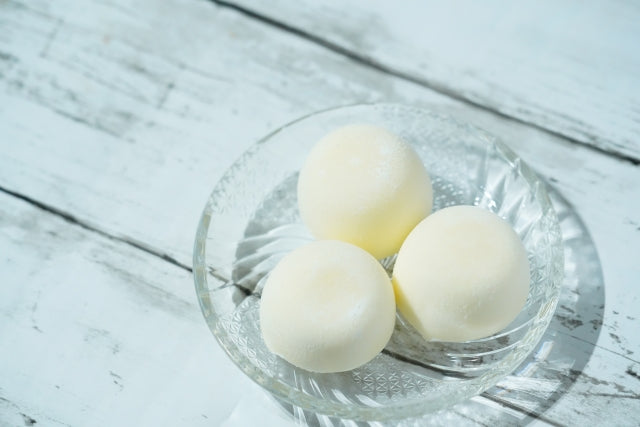
"Yukimi Daifuku" is a popular confection consisting of ice cream wrapped in sticky rice cake. The name "Yukimi" means "snow viewing," making it perfect for winter. Eating cold Yukimi Daifuku in a warm room is part of Japanese winter traditions.Winter Daifuku
While regular Daifuku is available year-round, "Strawberry Daifuku" is particularly popular in winter. It contains sweet red bean paste and fresh strawberries inside a soft rice cake, offering a perfect blend of strawberry tartness and paste sweetness.
- Christmas Sweets
This cake, made with soft sponge, whipped cream, and strawberries, is an essential winter dessert. During the Christmas season, cakes with special designs are sold in bakeries and convenience stores.Bûche de Noël
This cake, meaning "Christmas log," is French in origin but popular in Japan. It features a design resembling a tree trunk, made from chocolate rolled cake.
- New Year Celebration Sweets
"Hanabira Mochi" is a traditional sweet used in the New Year's tea ceremony. It consists of a white rice cake filled with red bean paste and burdock root (gobō), served to celebrate the beginning of the New Year.
- Winter Chocolate Sweets
Many Japanese companies release special winter flavors. They feature seasonal flavors like green tea, caramel, and white chocolate. "Fresh chocolate" with its rich taste is particularly popular in winter.
- Sweets to Accompany Nabe
Both are desserts consisting of sweet red bean soup with rice dumplings. On cold days, eating warm Zenzai helps to warm the body from within.Conclusion: Experiencing Japanese Culture Through Special Winter Sweets
Japanese winter sweets are not just desserts; they are a cultural symbol for enjoying the season. For Arab readers, experiencing Japanese winter sweets
can be a great opportunity to feel Japan's four seasons. We encourage you to try Japanese winter sweets!