
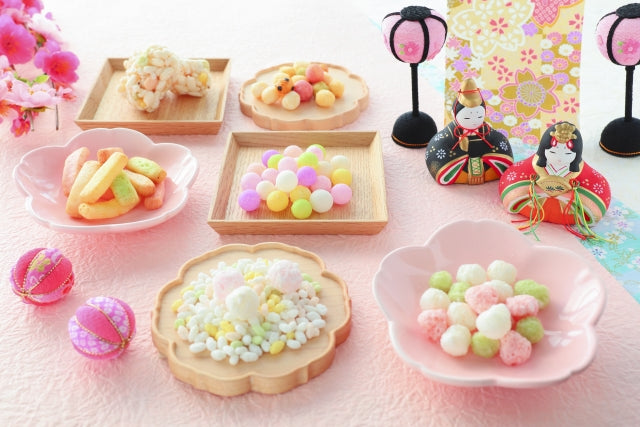
Japanese Festivals and Sweets: A Deep-Rooted Cultural Heritage
Japanese festivals and sweets are closely intertwined and are essential for understanding Japanese culture. Festivals reflect the traditions and history unique to each season and region, while offering unique sweets. In this article, we will provide Arab readers with an overview of
Japanese festivals and their attractive sweets.What are Japanese Festivals?

Japanese festivals (matsuri) are held to celebrate Shinto and Buddhist occasions, local traditions, and the changing seasons. They are characterized by rituals at temples, parades, traditional costumes, music, and dance. Many festivals are held to express gratitude
for nature and harvest, community prosperity, and to strengthen family and community bonds.Prominent Festivals and Sweets:
-
Tanabata Festival
Held on July 7th, it is based on the legend of Orihime and Hikoboshi. A popular sweet is "Mizu Yōkan," a cold gelled dessert made from red beans, perfect for the hot summer. -
Hanami (Cherry Blossom Viewing)
Characterized by picnics under cherry trees. Notable sweets include "Sakura Mochi" and "Dango." Sakura Mochi is a rice cake wrapped in cherry leaves, while Dango are sweet rice dumplings on skewers. -
Summer Festivals
Known for fireworks and food stalls. Popular sweets include "Wata Ame" (cotton candy) and "Kakigori" (shaved ice with syrup). -
New Year's Eve
Special dishes are served such as "Kuromame" (black soybeans) and "Kuri Kinton" (sweet chestnut paste).
Characteristics of Japanese Sweet Culture:
Japanese sweets are characterized by their visual beauty and delicate flavors. They use seasonal ingredients and are made with high craftsmanship.Why are Japanese Festival Sweets Attractive?
- Cultural Meanings: Each sweet has a special meaning or wish.
- Sense of Season: Sweets change with the seasons.
- Visual Beauty: Characterized by colorful and beautiful designs.
Conclusion:
Japanese festivals and sweets are not just events or foods, but a reflection of deep culture and traditions. We invite Arab readers
to explore this rich culture through Japanese festival sweets, and discover the beauty and taste of each season.