
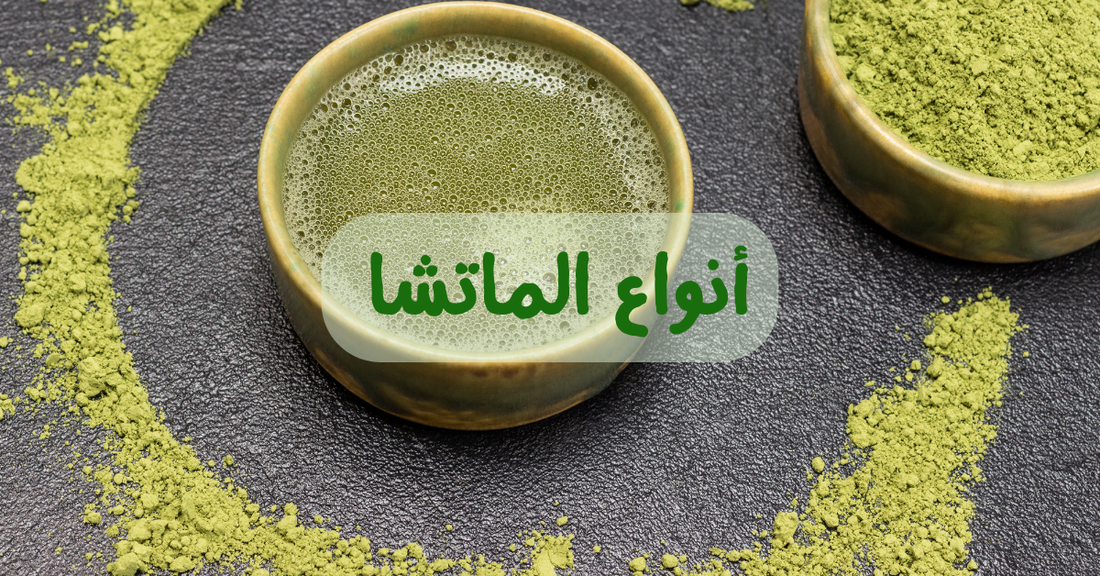
Types of Matcha and Their Characteristics
مشاركة
Matcha is a well-known traditional Japanese beverage, and it has now become popular all over the world. However, the word "matcha" refers to different types that vary based on use and quality. In this article, we will explain the types of matcha and the differences between them.
1. What is Matcha?
Matcha is a fine powder made from tea leaves, known as ground tea or "tencha". The leaves are steamed and dried, then the stems and veins are removed to obtain a fine powder used in preparing beverages and cooking.
Matcha is divided into two main types based on use and quality:
- Drinking Matcha (Thin Tea and Thick Tea)
- Culinary Matcha (for sweets and foods)
2. Types of Drinking Matcha
(1) Thin Tea (Usucha)
Usucha is the most commonly used type for daily occasions and tea ceremonies. It is prepared with a small amount of powder and a lot of water to be light in taste.
- Taste: Light taste and sweet flavor with a slight bitterness.
- Uses: Tea ceremonies, relaxing at home.
- Key Feature: Easy to prepare and suitable for beginners.
(2) Thick Tea (Koicha)
Koicha is a luxurious type of matcha used in formal tea ceremonies. It is characterized by high concentration and a strong taste.
- Taste: Rich and smooth flavor with a thick texture.
- Uses: Formal tea ceremonies or special occasions.
- Key Feature: Considered the ideal choice for lovers of luxurious matcha.
3. Types of Culinary Matcha
(1) Matcha for Sweets
This type is used in preparing sweets such as cakes, biscuits, ice cream, and chocolate. It focuses on color and flavor.
- Characteristics: Bright green color, with slight bitterness.
- Uses: Making all kinds of sweets.
(2) Matcha for Food
This type is used in cooking and added to foods and drinks to impart a distinctive matcha flavor. One of its most famous uses is matcha noodles.
- Characteristics: Strong flavor that enhances the taste of dishes.
- Uses: Noodles, sauces, or drinks such as cocktails.
4. Differences by Quality
(1) Classification
Matcha can be divided by quality into three main grades:
- High Quality: Used in thick tea and formal tea ceremonies. It has a deep flavor and a bright green color.
- Medium Quality: Suitable for thin tea and sweets, balancing price and quality.
- Regular Quality: Used in cooking or products intended for mass production.
(2) Producing Regions
The quality and flavor of matcha vary depending on the region where it is grown. Among the most famous regions are:
- Kyoto (Uji Matcha): Characterized by a refined and rich flavor.
- Shizuoka: Characterized by a strong taste suitable for various uses.
- Kagoshima: Light and aromatic flavor.
5. How to Choose the Right Matcha
When choosing matcha, it is preferable to pay attention to the following points:
-
Color
The brighter the green color, the higher the quality. Pale matcha may be of lower quality. -
Aroma
Fresh matcha has a refreshing grassy aroma. -
Purpose of Use
Choose the appropriate type based on whether you will use it for drinking or cooking.
6. Ways to Enjoy Matcha
Here are some ideas to enjoy matcha in your daily life:
-
Tea Ceremonies with Luxurious Matcha
Prepare Koicha for special occasions with family or friends. -
Baking Sweets
Try adding matcha to cakes or biscuits to make delicious and beautiful sweets. -
Daily Drink
Make drinking a cup of thin matcha a daily habit to enjoy its health benefits.
Conclusion
Matcha is a rich world of details and different types. Whether you are a beginner or an expert, knowing the different types helps you choose the right one for your needs. Enjoy discovering the diverse flavors of matcha and add a touch of Japanese culture to your daily life.
I hope this article has inspired you to explore the world of matcha!